

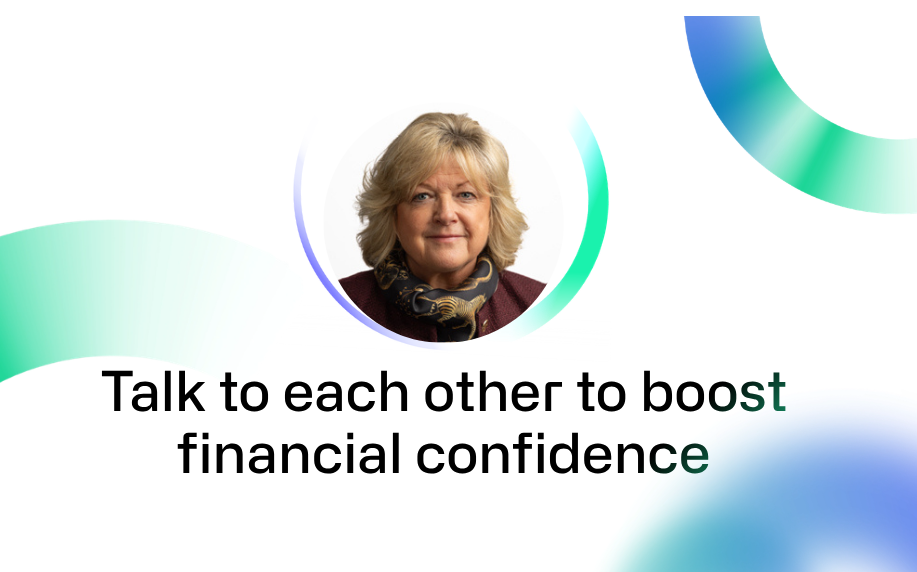
Sophie Hall, Commercial Director, Wealthtime
Advisers are highly skilled at showing clients what they can afford to spend in retirement. The greater challenge is helping people feel comfortable enough to actually enjoy the money they’ve spent a lifetime building.
Our latest research, Permission to Spend, suggests there’s a significant gap between knowing you can spend and feeling confident enough to do so.
The permission problem
One in three retirees told us they have missed out on an experience or opportunity because they waited too long to feel financially comfortable spending their money.
When we asked those holding back what would increase their confidence to spend more, the most common answer wasn’t a financial product or planning strategy. It was simply having a meaningful conversation with their partner or family.
Half of retirees said discussing their finances with loved ones would help them feel more comfortable spending. This ranked ahead of:
- Having a separate pot of money ringfenced for spending (47%)
- Guaranteed income covering essential expenses (42%)
Advisers see things slightly differently. When asked what most helps clients feel confident spending in retirement, advisers ranked:
- Guaranteed income covering essentials (41%)
- Having a clear inheritance target (37%)
- Agreeing an explicit spending range (36%)
- Conversations with partners or family (33%)
The findings reveal an important reality: financial confidence is not driven by financial planning alone.

Having sufficient assets and receiving reassurance from an adviser doesn’t automatically translate into spending confidence.
Sophie Hall, Commercial Director
Why retirees still struggle to spend
Having sufficient assets and receiving reassurance from an adviser doesn’t automatically translate into spending confidence.
A quarter of retirees are spending less than their financial plan could support, suggesting many aren’t fully enjoying the lifestyle they’ve worked hard to achieve.
The reason appears to be more emotional than financial.
While three quarters of retirees feel positive emotions such as enjoyment, freedom, pride or relief when making a significant purchase from their savings, 70% also experience negative emotions including guilt, anxiety, regret or a sense of moving backwards financially.
Nearly half experience both sets of emotions simultaneously.
After decades focused on saving and growing wealth, it can be difficult to adjust to seeing money leave the account, even when spending has been carefully planned for.
Reassurance needs to be ongoing
Financial advice clearly makes a difference.
Eight in ten retirees said they increased their spending after being told by their adviser that they could afford to do so.
However, that confidence doesn’t always last.
More than a quarter only increased spending temporarily, while one in five didn’t increase spending at all. Half of advised retirees say the reassurance they receive fades within six months.
This highlights an important opportunity for advisers. Giving clients permission to spend shouldn’t be confined to the annual review. Confidence needs to be reinforced regularly as retirement evolves.
Start with dreams, not numbers
The most valuable retirement conversations often start before the financial planning begins.
Understanding where someone wants to go, what experiences matter most, and who they want to share those moments with provides the emotional foundation for a retirement plan that’s actually lived, not just documented.
Too often, retirement planning conversations focus solely on financial outcomes and involve only the client.
Yet only just over half of advisers routinely involve a partner or family member in planning discussions.
Creating a more inclusive planning process can help turn financial plans into real-world action.
The importance of family conversations
Family involvement is particularly important when attitudes toward spending differ within a household.
Among partnered retirees, 38% say differing views about spending have already delayed or prevented something they wanted to do. This rises to 48% when a partner is more cautious about spending than the client.
Retirement income planning works best when it supports the needs and priorities of the whole household, not just the individual sitting in the adviser meeting.
By bringing partners, children and even grandchildren into appropriate conversations, advisers can help families align around shared goals and make financial decisions with greater confidence.
Better conversations lead to better legacy planning
Opening up family discussions can also improve intergenerational wealth planning.
Many retirees want to leave a legacy, but assumptions about what loved ones want may not always reflect reality.
Our research found that:
- Two-fifths of retirees believe their family would prefer them to enjoy more of their money during their lifetime
- Just 16% think their heirs would rather receive a larger inheritance
These findings suggest many families may benefit from more open conversations about spending, gifting and legacy goals.
When expectations are discussed rather than assumed, retirees often feel more comfortable using their wealth to enhance their own lives.
Financial confidence starts with conversation
Financial planning remains essential, but confidence to spend often comes from something much more human.
When families talk openly about their goals, priorities and expectations, retirees are more likely to feel comfortable turning their plans into action.
The opportunity for advisers is clear: move beyond proving affordability and help facilitate the conversations that give clients genuine permission to spend.
Because sometimes the most powerful tool for building financial confidence isn’t another forecast or cashflow model. It’s simply getting people talking.
Get in touch with us
Speak to an expert member of the Wealthtime team to learn more:
Contact usStay connected
This article is intended for regulated financial advisers and investment professionals only. Wealthtime does not provide financial advice. This information is not intended as financial advice and should not be interpreted as such.
 linkedin
 facebook
 mail
